The City of Radford's zoning ordinance, as codified through July 11, 2022, never names a storage container. What it does have is a short run of accessory building rules, a definition of "building" that covers things "whether portable or fixed," and a zoning administrator who decides how those words reach a steel box. Here is that text, and the city desk that applies it.
Radford's zoning law is Chapter 120.1 of the City Code, which calls itself "The Zoning Ordinance of the City of Radford Virginia" and is the version the city's own Planning and Zoning page links to. The hosted copy is Supplement 10, codified through Ordinance No. 1768, enacted July 11, 2022. Anything the city adopted after that date would not show in it.
Search that chapter for shipping, cargo or storage containers and nothing comes back; its containers are refuse containers. So Chapter 120.1 has no published container rule. That does not mean anything goes. It means the general rules decide, and the city decides which of them apply.
Two definitions are where that decision starts. A building, in the ordinance's words, is a combination of "any materials, whether portable or fixed, that forms a structure" for use or occupancy by persons or property, and the definition of structure lists "storage bins and other structures of this general nature." Whether a delivered container is a building, a structure or neither is not ours to say. Subject to appeal to the board of zoning appeals, the zoning administrator is the final authority on what the ordinance means.
The Planning Commission's September 21, 2026 agenda lists a work session on a Zoning Ordinance Update, and no rewrite has been adopted. When one is, this page can go stale. Why a Radford parcel answers to the city and not a county is the job of our Radford container page, and the line between a city and a town is drawn on the Montgomery County permit guide.
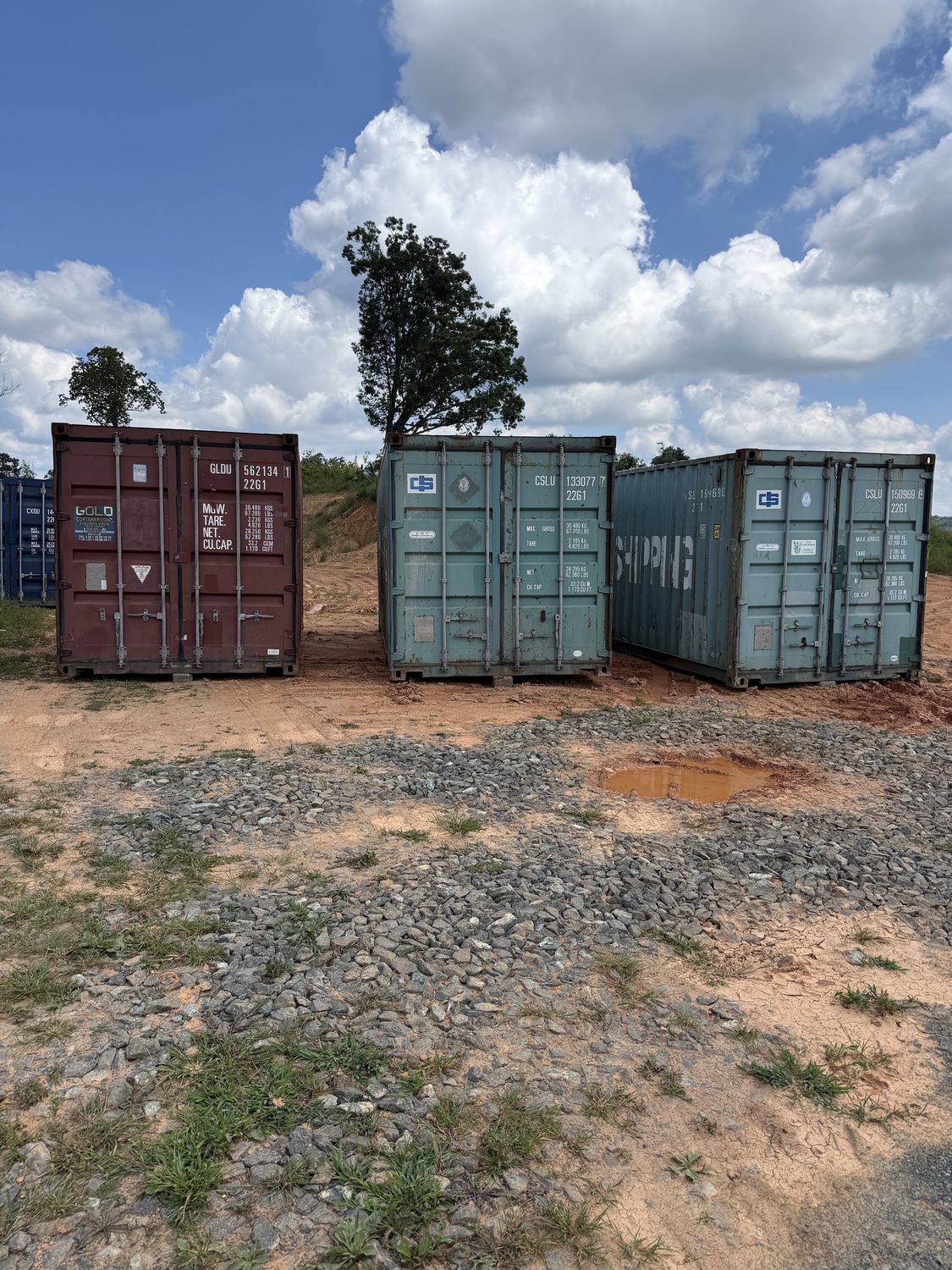
If the city treats a storage container as an accessory building, five short sections come with it. The codified text, current through July 11, 2022, shows no amendment to any of them since 2007.
Radford's Section 120.1-172 needs a careful read. It says building permit, while Virginia's building code carries a statewide storage exemption, explained on our Virginia container permit page. How the city squares the two for a box holding plain storage is not settled in anything we could read. Ask the Building Official; we will not guess for the city.
None of this text separates a rented box from an owned one. The monthly side lives on the Radford container rentals page.
Radford's residential districts do not share one set of yards. Two single-family districts show the spread. Every yard figure is a minimum, and corner lots or Article III's supplementary rules can enlarge a real lot's yards.
| Single-family rule | R-1 | R-3 |
|---|---|---|
| Smallest lot | 10,000 square feet, 75 feet wide | 6,000 square feet, 50 feet wide |
| Front yard | At least 30 feet | At least 20 feet |
| Side yard | 10 percent of lot frontage, up to 15 feet on each side | 10 percent of lot frontage, at least six feet |
| Rear yard | At least 25 feet | At least 20 feet |
| Main plus accessory buildings cover | No more than 30 percent of the lot | No more than 40 percent of the lot |
From the codified ordinance; yards are minimums. Your lot's own figures come from the zoning administrator.
Now take an interior R-3 lot with 50 feet of frontage, a compact house lot by that district's own minimums. Ten percent of 50 feet is five feet, which is under the six-foot floor, so the required side yard is at least six feet. Section 120.1-173 then lets a building accessory to a single-family, single-family attached or duplex dwelling go into a required side yard (not a street side yard) or a required rear yard, but only if it is no more than 12 feet tall and "not within five feet of any lot line." Section 120.1-174 adds that it may be no taller than the house. Whatever it covers counts toward the 40 percent cap together with the house.
The city's zoning FAQ puts it more simply: "The setbacks for an accessory structure are 5 feet from both the side and rear property lines." The city's Zoning FAQ page calls its items general and subject to change, and that answer drops the ordinance's conditions. Go by the ordinance. The general case is in how close a container can sit to the property line. Whether a given box clears 12 feet or fits under the coverage cap is for the zoning administrator, so bring your frontage.
Radford splits a container question between two desks at the same address, 10 Robertson Street, Radford, VA 24141, and the ordinance fixes which one goes first.
The zoning permit application goes in from the property owner, or from an agent carrying the owner's written consent. We are neither. We sell, rent and set containers, and we do not pull permits. We found no posted office hours and no published processing time, so we print neither.
On any lot that may sit in a floodplain district, add one question. The city's floodplain division, rewritten in 2020, requires a zoning permit for all development in any floodplain district and counts "storage of equipment or materials" as development, with the zoning administrator reading the district lines. Our container floodplain answer covers the general picture.
The city says its staff is "ready and able to answer questions you may have before you start your next project." Ask four things: the parcel's district, whether a storage container is an accessory building here, which permits it needs, and whether any of the lot is in FP-1 or FP-2.
Send the address and the lot's frontage, and say whether the zoning desk has answered yet. We price a 20-ft or 40-ft delivered and leveled; the filing stays yours.
Same-day reply. We'll send a real number, a real delivery window, and any photos we need to confirm fit.
You'll hear back from us today (or first thing tomorrow if it's late). For anything urgent, call (276) 237-6144.